
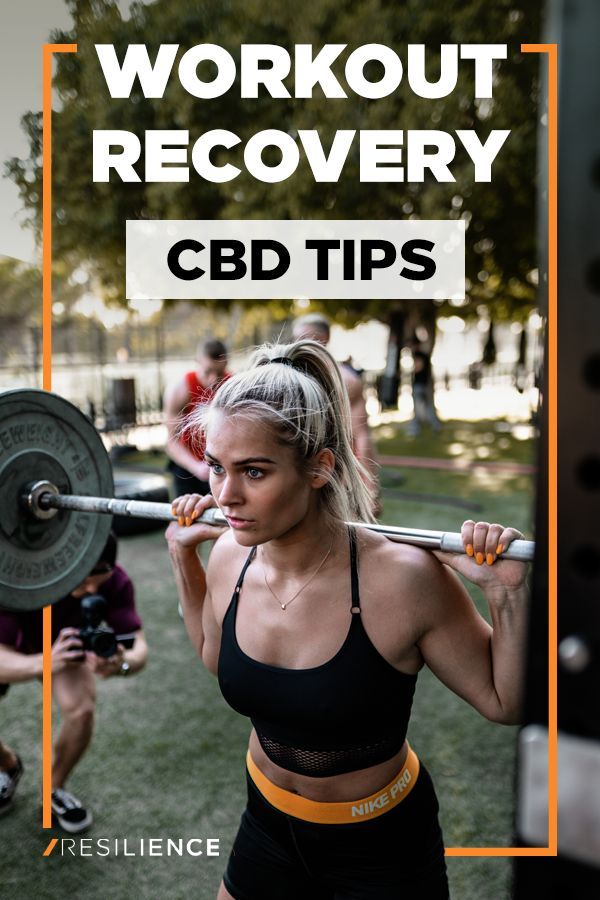
You don’t really understand recovery until you’ve had a workout that lingers for days.
Sore legs walking downstairs. Tight shoulders that won’t release. That deep fatigue that makes your next session feel like a chore instead of progress.
That’s exactly why more athletes, gym-goers, and even casual fitness enthusiasts are starting to experiment with hemp as part of their recovery routine. Not because it’s trendy, but because recovery has become the bottleneck in performance.
The real question is not whether hemp works. It’s how it fits into what your body is already trying to do after a workout.
What Actually Happens to Your Body After a Workout
Before we talk about hemp, let’s get clear on what recovery really involves.
After exercise, your body goes through:
- Muscle micro-tears that need repair
- Inflammatory responses to start healing
- Nervous system fatigue from exertion
- Depleted energy stores
Recovery is the process of rebuilding stronger. But when stress piles up, whether physical or mental, that process slows down.
That’s where hemp-based supplements come in.
How Hemp Supports Recovery Without Overdoing It
It Helps Regulate Inflammation
Inflammation is necessary, but too much of it can delay recovery and increase soreness.
Hemp interacts with the body’s endocannabinoid system, which helps regulate inflammation rather than completely shutting it down. This balance is key for proper muscle repair.
It Reduces Post-Workout Tension
A lot of soreness isn’t just muscle damage. It’s also tightness and nervous system stress.
Users often report:
- Less stiffness the next day
- Faster return to mobility
- Reduced overall discomfort
This is especially noticeable after high-intensity or resistance training sessions.
It Supports Nervous System Recovery
Most people focus on muscles, but your nervous system takes a hit during workouts too.
Hemp helps shift the body out of that “amped up” state into a more relaxed mode, which is essential for recovery.
What Users Actually Experience
Let’s talk real-world results, not theory.
Faster Bounce-Back Between Workouts
Many users say they’re able to train again sooner without feeling completely drained.
Not because hemp eliminates soreness, but because it makes it more manageable.
Better Sleep After Training
Recovery doesn’t happen in the gym. It happens during sleep.
Hemp is commonly used in the evening to:
- Calm the body after intense activity
- Improve sleep quality
- Reduce nighttime restlessness
And better sleep directly improves recovery speed.
Less Reliance on Quick Fixes
Instead of constantly reaching for pain relievers or overtraining through soreness, users begin to manage recovery more proactively.
Practical Ways to Use Hemp for Recovery
This is where most people either see results or give up.
Post-Workout Window
Using hemp within 30–60 minutes after a workout can help your body transition into recovery mode faster.
Evening Use
This is one of the most effective times.
Taking hemp products in the evening supports:
- Relaxation
- Muscle recovery
- Sleep quality
Consistency Over Intensity
You don’t need large doses. What matters is consistent use over time.
Choosing the Right Hemp Product
Not all products will give you the same results.
Gummies
Good for long-lasting support, especially overnight recovery.
Oils and Tinctures
Faster absorption, better for immediate post-workout use.
Topicals (Optional Add-On)
Some users combine internal hemp supplements with topical applications for targeted areas.
Quality matters here more than people realize. Poor products lead to weak results.
That’s why many users prefer curated platforms like Alt Super Store, where product consistency and selection are more reliable.
Common Mistakes That Slow Recovery
Using Hemp Randomly
Taking it once after a hard workout won’t show much.
Recovery benefits come from building it into your routine.
Expecting Immediate Results
Hemp supports recovery. It doesn’t replace proper training, hydration, and nutrition.
Ignoring Sleep and Nutrition
No supplement can fix poor recovery habits.
Hemp works best when combined with:
- Proper sleep
- Balanced nutrition
- Smart training schedules
What the Data and Trends Suggest
The use of hemp in fitness and recovery is growing rapidly, especially among:
- Cross-training athletes
- Weightlifters
- Endurance runners
- Everyday gym-goers
Why?
Because people are shifting toward natural recovery solutions that don’t interfere with performance or long-term health.
The focus is no longer just on pushing harder. It’s on recovering smarter.
What Hemp Can and Can’t Do for Recovery
Let’s keep this honest.
What Hemp Can Do
- Help manage soreness and tension
- Support better sleep and recovery cycles
- Improve how your body responds to physical stress
What It Can’t Do
- Replace proper training techniques
- Instantly eliminate soreness
- Fix overtraining
Final Thoughts
Recovery is where progress actually happens.
You can train as hard as you want, but if your body doesn’t recover properly, you stay stuck.
Hemp isn’t a shortcut. It’s a tool.
Used correctly, it helps your body do what it’s already designed to do, repair, reset, and come back stronger.
And for a lot of people, that’s the difference between constant fatigue and consistent progress.